Top 5 routine hotel processes worth automating first
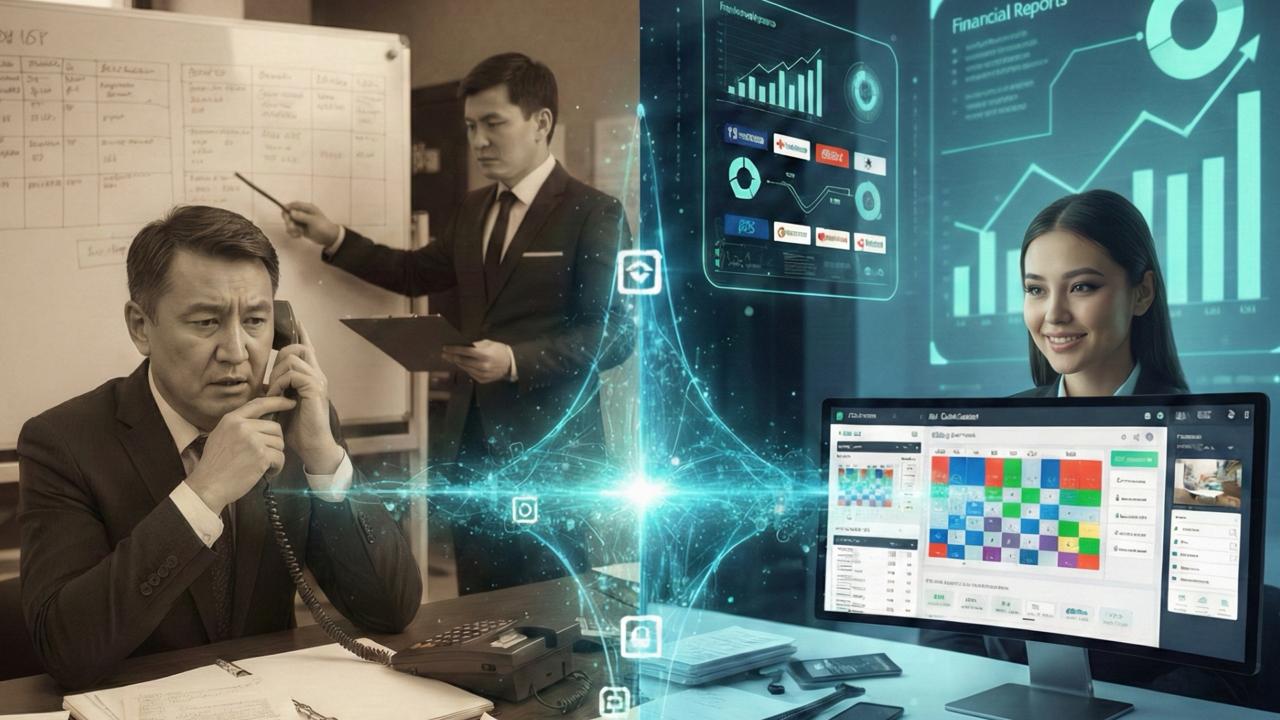
Modern hospitality depends not only on location and service standards, but on how quickly and accurately internal processes run. Even so, many hotels still rely on spreadsheets, paper logs and disconnected pieces of software. That approach slows staff down, multiplies errors and feeds straight through to financial results.
With the hotel business in Kazakhstan growing fast and competition between properties intensifying, hotel automation is becoming a necessity. This matters all the more against the backdrop of rising tourist flow. In 2024, Kazakhstan welcomed 15.3 million foreign guests travelling for various tourism purposes (excluding those arriving for work or permanent residence). Of these, 10.4 million stayed in the country for more than one day, which places them in the foreign tourist category. Official statistics put their average length of stay at 4 days.
Against these numbers, properties connected to a PMS recorded positive changes through 2025: online bookings are growing, average room occupancy is rising and the share of manual operations is falling. This shows that heavy tourist flow turns into real revenue first and foremost in hotels that have adopted a modern property management system (PMS) and built out digital processes. Let's look at five routine processes worth automating first.
1. Managing bookings and monitoring reports from a mobile app
What the process looks like manually
Bookings arrive from different channels — by phone, in messengers, by email and through online marketplaces. The front-desk manager copies the data into spreadsheets by hand and constantly re-checks room availability.
The main pain points and losses
- ■ Overbooking
- ■ Lost enquiries
- ■ Significant time costs
How automation / a PMS helps
A PMS brings every channel into a single booking management system. Information is displayed as a booking grid with up-to-date statuses.- ➢ Practical effect
- ➢ Fewer errors
- ➢ Faster booking confirmation
- ➢ Higher room occupancy
2. Syncing with sales channels (Channel Manager)
When prices and availability are updated by hand across different marketplaces, a hotel inevitably ends up with one rate on one site and a different rate on another — and part of the potential revenue simply disappears. Meanwhile staff spend significant time on routine updates instead of working with guests and service. A modern PMS solves this with a built-in channel manager that syncs data automatically between the hotel management system and online sales channels. The result is steady online bookings, consistent pricing and accurate availability across every marketplace, along with more predictable and sustainable sales growth.3. Check-in, check-out and guest records
Done manually, staff have to fill in guest cards, copy documents and enter the same information into several logs or programs at once — which creates queues at the front desk and inaccuracies in the data. A PMS keeps all guest information in a single digital space, and check-in and check-out come down to a few clicks. The result is a fast, clear arrival process, more comfortable service for guests and a noticeably lighter load on staff.4. Managing housekeeping and room condition
Handled manually, cleaning and turnaround tasks are usually passed on verbally or in work chats, so some of the information gets lost. That leads to rooms not being ready for check-in, cleanings being skipped and a growing number of guest complaints. With a PMS every status is visible right in the system — which rooms are free, which are occupied, which need cleaning and which are already ready. The result is a team working in sync, rooms returning to sale faster and a noticeable rise in overall service quality.5. Finance and reporting
When financial reports are assembled by hand from different sources, owners and managers struggle to see the full, objective picture of how the hotel is running. Some data goes missing, calculations pick up inaccuracies, and the analysis itself eats time. A modern PMS removes that burden by generating financial reports and analytics automatically. You get transparent control of income and expenses, you can rely on precise figures when making decisions, and you can work consistently towards sustainable revenue growth.What a hotel gains after automation
- ➢ 40–70% fewer manual operations
- ➢ Growth in online bookings
- ➢ Higher room occupancy
- ➢ Fewer errors
- ➢ Transparent processes